






Starting college can feel like stepping into an unfamiliar realm. New faces, new hallways, new everything, and somewhere in the middle of it all, a quiet question that almost everyone carries but rarely says out loud: how do I actually make friends here?
At Heart Circle, we believe friendship isn't just a nice-to-have. It's a kind of magic, one of the oldest, warmest, most transformative forces there is. The people you gather around you shape who you become. And learning how to make friends in college is really about learning how to let your own light show, find the people whose light answers back, and build a circle that holds you.
This guide blends proven, practical friendship advice with the Heart Circle philosophy: that everyone carries something magical inside them, and the trick is simply being brave enough to wear it where others can see.
Why Friendship in College Matters More Than You Think
College is one of the rare seasons in life designed for connection. You're surrounded by thousands of people roughly your age, sharing your schedule, your interests, and your growing pains. Research on wellbeing consistently shows that strong social bonds are one of the biggest predictors of happiness, resilience, and even academic success. The friendships you form now can become the chosen family you carry for decades.
But here's the tough part: college can also be lonely. Everyone looks like they already have it figured out. Everyone seems to already have their group. The truth is that most of those confident-looking people are feeling exactly what you're feeling. They're all standing at the edge of their own circle, wondering how to step in.

Understanding that shared uncertainty is the first spell in your book. Nearly everyone wants connection. Nearly everyone is a little nervous. You are not behind, you're right where you're supposed to be.
Friendship Circles and Heart Circles
We talk about two kinds of circles, and knowing the difference changes how you approach making friends.
A friendship circle is your wider constellation, the people you see in class, at the dining hall, at club meetings, in your dorm. These are the acquaintances and casual friends who make campus feel like home. They matter enormously. A rich friendship circle means you always have someone to sit with, study with, or wander to a late-night snack run with.
A heart circle is something deeper. It's the small, sacred inner ring of people who truly know you, the ones you'd call at 2 a.m., the ones who've seen you cry and stayed anyway. You don't need many. Most people's heart circle holds only three to five people across their whole life.
Here's the beautiful part: heart circles grow out of friendship circles. You can't skip the outer ring to get to the inner one. Every deep friendship started as a casual hello. So the goal in your first weeks isn't to find your soulmate best friend on day one. It's to widen your friendship circle generously, plant lots of seeds, and let the deepest connections reveal themselves over time.
Proven Tips for How to Make Friends in College
Now for the practical magic. These aren't vague platitudes, they're grounded in real social psychology and tested by generations of students who arrived nervous and left with a circle. With a dash of magic thrown in to make it all come together.
Show Up Again and Again
Psychologists call it the "mere exposure effect": we like people more simply because we see them repeatedly. Familiarity breeds warmth. This is why the friends you make in college are so often the people who happened to sit near you, live near you, or attend the same weekly meeting.

The lesson is simple but powerful: consistency beats charisma. You don't need to be dazzling. You need to keep showing up. Take the same seat in lecture. Return to the same club every week. Go back to that dorm lounge on Thursday nights. Presence is a form of patience, and patience is where friendships take root.
Join Clubs, Especially the Niche Ones
If there's one piece of advice we'd tattoo on every freshman's heart, it's this: join clubs. Clubs hand you the two ingredients friendship needs most — repeated contact and a shared passion. You skip all the awkward small talk because you already have something in common baked in.
And we have a soft spot for the niche clubs. Anime and gaming clubs, in particular, are one of the best places on any campus to find your people. Why? Because they're built on unabashed enthusiasm. Nobody walks into an anime club trying to seem cool and detached. They walk in because they love something and want to love it out loud with others.
That kind of open-hearted passion is the perfect soil for friendship.
The same is true for tabletop gaming groups, cosplay collectives, book clubs, witchy and spiritual circles, art collectives, and every wonderfully specific corner of campus life. The narrower the club, the more the people inside it already share your particular kind of magic. Don't chase the biggest, most impressive-sounding organization. Chase the one that makes something in your chest light up.
Be a Little Weird
Here is a truth we hold dear at Heart Circle: the people who become your closest friends are almost never the ones you impressed. They're the ones you were weird with.
So much friendship advice tells you to be polished, agreeable, and inoffensive. But agreeable people are easy to like and easy to forget. What actually draws your true people toward you are the odd, specific, slightly strange things about you, your obscure obsessions, your unusual opinions, your particular sense of humor, the enthusiasms you're a little embarrassed about.
When you hide your weirdness to seem normal, you only attract people who like the normal, muted version of you. When you let it show, you send up a signal flare that your true kindred spirits can actually find.
Weirdness isn't a flaw to manage. It's a filter that sorts strangers into "not my person" and "oh, finally, my person."
Wear Your Magic
Wearing your magic means letting the outside of you reflect the inside of you, and using what you wear and carry as an open invitation for connection.
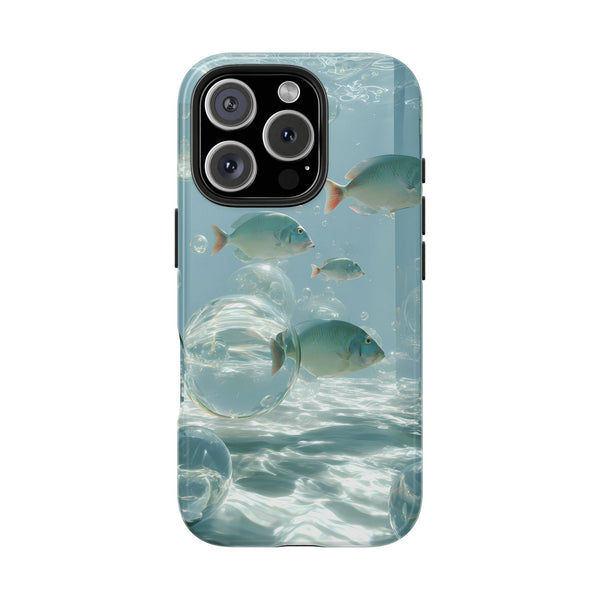
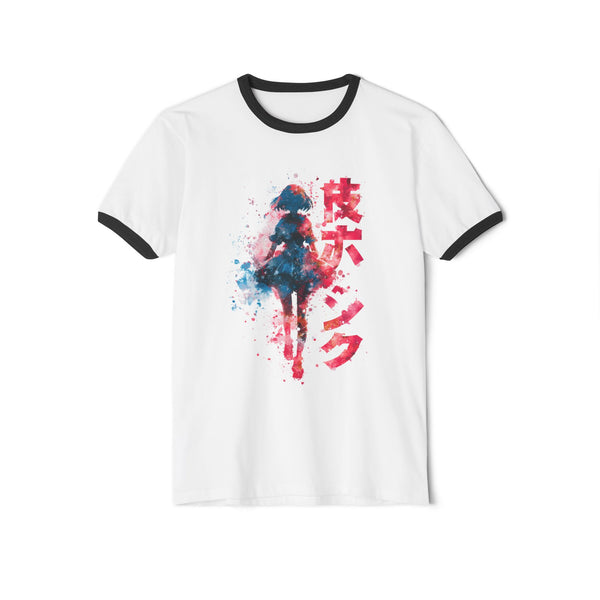
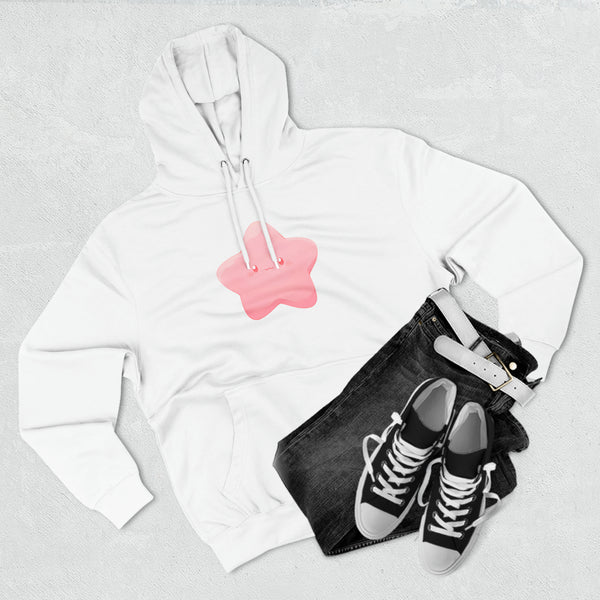
Practically, this is one of the most underrated friend-making strategies there is. The pin on your backpack, the graphic on your t-shirt, the character on your water bottle, the backpack tied to an aesthetic you love — these are all conversation starters and catalysts for connection. They tell the world, without you saying a word, this is what I care about, come find me.
Countless friendships have begun with a simple "wait, is that a—?" Someone spots a symbol they recognize, a color palette that speaks to them, a piece of wearable lore, and suddenly a stranger has a reason to talk to you.
When you wear your magic openly (your interests, your aesthetic, your elemental affinities, the stories you love) you turn yourself into a beacon. You make it easy for your people to spot you across a crowded room.
So wear the thing. Carry the token. Let your style say what you might be too shy to say first.
Ask Questions and Be Genuinely Curious
The single most likable trait in any conversation isn't wit, it's curiosity. People deeply enjoy being asked about themselves and being truly listened to. You don't have to be interesting; you have to be interested.
When you meet someone new, ask about the things they love. What are they studying and why? What's the story behind that pin on their bag? What show are they obsessed with right now? Then actually listen, and follow up on what they say.
Curiosity does two things at once: it takes the pressure off you to perform, and it makes the other person feel genuinely seen. That feeling is the beginning of every real friendship.
Practice Small Vulnerability
Friendships deepen through what psychologists call self-disclosure, the gradual, reciprocal sharing of things that matter. You go from "how's your week" to "here's what I'm actually struggling with" one small honest moment at a time.
You don't need to trauma-dump on someone you just met (please don't do this!) But you can be the one who goes slightly first: admitting you're nervous, sharing a real opinion, saying "honestly, I don't know anyone here yet either." That small courage gives the other person permission to be real too. Vulnerability, offered gently, is contagious in the best way.
Be the One Who Follows Up
Here's where so many almost-friendships dissolve: nobody follows up. You have a lovely conversation, you feel a spark of connection, and then... you both wait for the other person to reach out, and neither of you does.
Be the one who reaches out. Get the contact info. Send the message. Suggest getting coffee, studying together, or going to the next club meeting as a pair. "Hey, that was fun, want to grab lunch this week?" is a small sentence with enormous power. Most people are relieved and delighted when someone else takes the first step. Let it be you.

However, if you do reach out and don't hear back, don't force anything! Friendships aren't forced, they are formed. Everyone won't resonate at your frequency and that's OK. If you go about connections naturally and let things form at their own pace, you don't have to worry about anyone ghosting you or being slow to respond. If you make the effort to connect, that is enough. Plant lots of seeds and keep your energy radiant, and you will find your crew in time.
Build Your Own Circle
If you can't find the circle you're looking for, gather one. Host a movie night in your dorm. Start a study group. Organize a casual weekly hangout for people in your class. Start your own anime club. Send the "does anyone want to come to this?" text.
There's a particular magic in being the person who convenes. You don't have to wait to be invited into a circle, you can draw one yourself and watch people gratefully step inside.
Every great friend group has a founder. It might as well be you.
Showing the World Your Magic
Underneath every tip in this guide is one central Heart Circle belief: the world needs the real you, not a smaller, safer version of you.
It's so tempting, in a new place full of strangers, to shrink down. To mute your enthusiasm, hide your obsessions, and try to blend in until it feels safe to be yourself. But blending in has a cruel side effect, it makes you invisible to exactly the people who would have loved the vivid, specific, magical you.
Making friends in college isn't really about becoming more likable. It's about becoming more findable. It's about letting your light out so your people can see it and walk toward it.
Wear your magic. Say the weird thing. Join the strange little club. Sit in the same seat. Send the first text. Show up, and show up as yourself.
Your circle is out there right now, some of them nervous, some of them lonely, all of them hoping someone brave enough to be real will come find them. Be that someone. The magic was never in becoming someone else. It was always in daring to be fully, unapologetically you.

Frequently Asked Questions About Making Friends in College
How long does it take to make friends in college?
Give it time: real friendships usually take several weeks to a few months to form, and deeper "heart circle" bonds can take a full semester or longer. The first few weeks are for widening your friendship circle and planting seeds. Don't panic if you don't have a best friend by week two; almost no one does. Consistency over time is what turns acquaintances into true friends.
What if I'm shy or introverted?
Introverts often make wonderful, deep friends, you just tend to prefer quality over quantity, and that's a strength. Focus on lower-pressure, interest-based settings like small clubs, study groups, or one-on-one hangouts rather than big loud parties. Curiosity and good listening, which introverts often excel at, are far more powerful for building friendships than being the loudest person in the room.
Are clubs really the best way to make friends?
For most students, yes. Clubs give you built-in repeated contact and an instant shared interest, which are the two ingredients friendship needs most. Niche clubs like anime clubs, gaming groups, and creative collectives work especially well because the people there are already passionate and open-hearted. If you only take one piece of advice, let it be this: join a club that lights you up, and keep going back.
What if I already have a friend group but it doesn't feel deep?
That's completely normal. A friendship circle and a heart circle are different things. It's fine to have plenty of casual friends while your deeper bonds are still forming. Deepen a few of your favorite connections through honest conversation, shared vulnerability, and one-on-one time. Depth grows from consistency and openness, not just proximity.
How do I make friends if I'm a commuter or transfer student?
Be intentional, since you won't absorb friendships passively the way dorm students might. Arrive a little early or stay a little late for class, join clubs that meet at times you're already on campus, and say yes to invitations even when it's easier to just drive home. Following up quickly (grabbing coffee between classes, joining a group chat) matters even more when you don't share a hallway with people.
What does "wearing your magic" actually mean?
It means letting the outside of you reflect the inside of you, and using your style, accessories, and the things you carry as open invitations for connection. A meaningful graphic tee, a fandom pin, or a symbol you love acts as a conversation starter that helps your people recognize you. When you wear what you care about openly, you make yourself easy for kindred spirits to find.
Is it weird to be the one who always reaches out first?
Not at all. It's generous, and most people are secretly grateful for it. Someone has to send the first message, and the students who build strong circles are almost always the ones willing to be that someone. Reaching out first isn't a sign of desperation; it's a sign of courage, and courage is magnetic.
Friendship is the first magic any of us ever learns to wield. At Heart Circle, we make wearable lore and meaningful pieces designed to help you carry your magic out into the world, so your people can find you. Wear it boldly. Show them your light.